DJI Mini 4K vs Mini 4 Pro
Both aircraft duck the 250 gram registration line. The real question is whether obstacle sensing and sensor quality are worth roughly four times the money.
Researched from published specifications and verified owner reviews · updated 2026
The short answer
The DJI Mini 4K at $269 is the right choice for casual flyers on a budget, while the DJI Mini 4 Pro Fly More Combo at $1,299 earns its roughly 4x price with omnidirectional obstacle sensing and a materially better camera sensor.
For most people flying casually on weekends, the DJI Mini 4K is the smarter buy: it costs a quarter of the price of the DJI Mini 4 Pro Fly More Combo (RC 2) Fly More Combo, sits under the 250 g registration line the same way its pricier sibling does, and shoots 4K video that looks nearly identical to the Mini 4 Pro's footage in good light. The Mini 4 Pro pulls ahead specifically for anyone flying around obstacles, in mixed or low light, or for any kind of paid work where a crash or a blown highlight actually costs money.
DJI
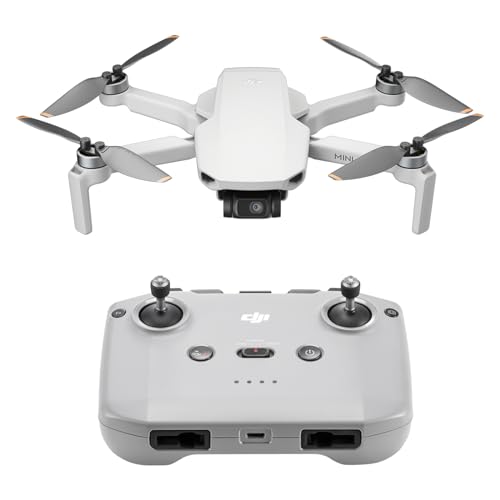
DJI Mini 4K
4K/30, 3-axis gimbal, 31 min rated
The Mini 4K delivers most of the Mini 4 Pro's flying experience, at under a quarter of the Fly More Combo price, in a sub-250 g airframe.
Prices move constantly. We earn a commission if you buy through these links, at no extra cost to you.
What actually separates these two aircraft?
Both the DJI Mini 4K and the DJI Mini 4 Pro Fly More Combo (RC 2) share the same basic formula: a sub-250 g folding quadcopter with a 3-axis mechanical gimbal, a 4K camera, and GPS-assisted flight. The differences that matter are the sensor, the obstacle sensing hardware, and the controller included in the box. The Mini 4K uses a smaller 1/2-inch sensor with a maximum bitrate suited to casual footage. The Mini 4 Pro steps up to a sensor with a genuinely wider dynamic range, records 4K at 60 frames per second in HDR, and adds omnidirectional obstacle sensing, meaning sensors facing forward, backward, upward, downward, and to both sides that can detect obstacles and either brake or reroute the aircraft around them.
The Mini 4K has no obstacle sensing beyond basic downward sensors used for stable hovering. Fly it near trees, power lines, or building corners and the only thing preventing a collision is the pilot's own judgment and reaction time. That is a real limitation for anyone flying in a suburban backyard, near a treeline, or around a client's property, and it is the single biggest reason people upgrade to the Mini 4 Pro after a close call.
How much does the price gap actually buy?
The DJI Mini 4K lists around $269 for a single-battery kit. The DJI Mini 4 Pro Fly More Combo (RC 2) is most commonly sold as a Fly More Combo bundling the RC 2 screen-equipped controller and three batteries for around $1,299, which is not a strictly apples-to-apples comparison. Part of that roughly 4x gap buys two extra batteries and a controller with a built-in bright screen instead of a phone mount, and part of it buys the better sensor and obstacle sensing. If DJI sells a single-battery Mini 4 Pro kit near you, the aircraft-only price gap is smaller than the combo price suggests, though the sensor and sensing hardware differences remain identical either way.
Consider what three batteries are actually worth to you. A single Mini 4K battery gets a rated 31 minutes of flight, which in real conditions (accounting for wind, maneuvering, and a mandatory return-to-home reserve) is closer to 20 to 25 minutes of usable flying per charge. Three Mini 4 Pro batteries turn a short outing into an actual session without returning home to recharge, which for anyone flying more than once a week has real value independent of the camera differences. If you would buy a second Mini 4K battery anyway, factor roughly $50 to $60 back out of the Mini 4 Pro's apparent premium.
Head-to-head specifications
| Spec | DJI Mini 4K | DJI Mini 4 Pro (Fly More Combo, RC 2) |
|---|---|---|
| Price (approximate) | $269 | $1,299 |
| Takeoff weight | 248 g | 249 g |
| FAA registration (recreational) | Not required, under 250 g | Not required, under 250 g |
| Video | 4K/30 | 4K/60 HDR |
| Obstacle sensing | None (downward only) | Omnidirectional |
| Gimbal | 3-axis mechanical | 3-axis mechanical |
| Rated flight time (single battery) | 31 minutes | Included: three batteries |
| Controller | Phone-mount RC-N | RC 2, built-in screen |
Choose the Mini 4K if
Pick the DJI Mini 4K if this is your first drone and you are not certain flying will stick, if your budget is genuinely under $300, if you fly mostly over open fields, beaches, or parks with nothing to hit, and if your footage lands on social media rather than in front of a paying client. It is also the better choice if you are buying a drone for a teenager or a household where the aircraft might get handed to less experienced hands, since the smaller price tag makes an eventual crash easier to absorb.
Choose the Mini 4 Pro if
Pick the DJI Mini 4 Pro Fly More Combo (RC 2) if you regularly fly near trees, buildings, wires, or people where a momentary lapse in attention could mean a collision, if you shoot in mixed or low light where the wider dynamic range sensor visibly holds more detail, or if the footage is for any kind of client, business, or monetized content, which under FAA rules requires a Part 107 certificate regardless of which aircraft you fly. It is also the right call if the idea of three batteries and a real screen controller genuinely changes how often you would fly, since more flight time per outing is worth real money to a frequent flyer.
What they share
Both aircraft duck the 250 g recreational registration threshold, both fold down to a similar footprint, both use the same DJI Fly app and basic flight modes, and both are competent enough for a first-time pilot to learn on without fighting the aircraft. Neither one includes a case, ND filters, or extra propellers in the base kit, so budget separately for those regardless of which airframe you choose. If your actual decision criterion is weight and registration rather than camera quality, both of these already clear that bar identically, and the real choice comes down to sensor and obstacle sensing, not the FAA.
Buying tips
Price the Fly More Combo against buying the base aircraft plus a spare battery separately before assuming the combo is the better deal; sometimes it is, sometimes the extra accessories in the combo (a shoulder bag, a charging hub) push the price past what you would spend buying only what you need. Check whether the listing you are looking at includes the RC 2 screen controller or the cheaper RC-N phone-mount controller, since DJI sells the Mini 4 Pro in both configurations at different price points, and the screen controller alone accounts for a meaningful chunk of the price gap with the Mini 4K.
If you are on the fence, ask what a bad flight actually costs you: with the Mini 4K, a collision with a tree branch costs a $269 aircraft and no obstacle sensing to blame. With the Mini 4 Pro, the same branch is far more likely to trigger a stop or a reroute before contact happens at all. For anyone flying in anything other than wide open space, that difference in outcome is worth more than the spec sheet suggests on paper.
How we chose
We do not fly review units ourselves and we do not pretend otherwise. Every spec on this page comes from DJI's published technical documentation, cross-checked against verified owner reviews and community flight reports read in volume to separate marketing claims from what pilots actually experience in the field. Prices are approximate and move constantly, so treat the numbers on this page as a starting point for your own research rather than a locked-in quote. For the current weight and registration rules that apply to either aircraft, see our guide to registering a drone and the drone weight class reference chart.
Related reading
If you have decided weight and the 250 g threshold is your real deciding factor rather than sensor quality, see our roundup of the best drones under 250 grams. If you are weighing the Mini 4 Pro against a heavier, more capable aircraft instead of the Mini 4K, read DJI Mini 4 Pro vs Air 3S. For a broader first-drone buying guide that is not narrowed to these two specific models, see our best beginner drones roundup. Anyone planning to fly for work rather than recreation on either aircraft should read what a Part 107 certificate actually lets you do, and check your own math on real-world flight time with our flight time calculator before committing to a battery count.
Reviewed in depth
Both aircraft are reviewed in depth. The DJI Mini 4K review is the case for learning on something you can afford to crash, and the DJI Mini 4 Pro review covers omnidirectional sensing and the Battery Plus catch.
Questions people ask
+ Is the DJI Mini 4 Pro worth roughly four times the price of the Mini 4K?
Only if you actually use omnidirectional obstacle sensing, the wider dynamic range sensor, or the screen-equipped RC 2 controller included in the Fly More Combo. For flying open fields in daylight and posting clips to social media, the Mini 4K delivers nearly identical footage for a quarter of the cost. The Mini 4 Pro earns its price around trees, buildings, and paid work.
+ Do both drones need FAA registration?
Both weigh under 250 g at takeoff (248 g for the Mini 4K, 249 g for the Mini 4 Pro), so recreational flyers are exempt from aircraft registration on either one. Any flight for work or business still requires a Part 107 certificate and registration regardless of weight, so a real estate shoot on either aircraft needs both.
+ Does the Mini 4K have obstacle sensing at all?
No. The Mini 4K has no forward, backward, or downward obstacle sensors beyond basic downward positioning for hovering. It relies entirely on the pilot to avoid trees, wires, and buildings. The Mini 4 Pro adds omnidirectional sensing that can stop or reroute the aircraft automatically, which is the single biggest safety difference between the two.
+ Can I upgrade a Mini 4K later, or should I just buy the Mini 4 Pro now?
The airframes are not upgradeable into each other; the Mini 4 Pro is a different aircraft with a different sensor and gimbal. If you are confident you will want obstacle sensing and better dynamic range within a year, buying the Mini 4 Pro now avoids paying for two drones. If you are unsure you will stick with flying at all, the Mini 4K is the cheaper way to find out.
+ Which one shoots better video in low light?
The Mini 4 Pro’s larger sensor and improved processing hold detail and color noticeably better once the sun drops, at dusk, indoors, or under cloud cover. The Mini 4K’s sensor is adequate in bright daylight but shows more noise and clips highlights sooner in mixed or low light. If you fly mostly at golden hour or indoors, this is a real reason to spend the extra money.
+ Is the price gap really about the drone, or about the bundle?
Mostly the bundle. The Mini 4 Pro is commonly sold as a Fly More Combo with the screen-equipped RC 2 controller and three batteries included, while the Mini 4K’s price reflects a single-battery kit. Compare total flight time and controller included, not just the sticker price, before deciding the Mini 4 Pro costs four times as much for the same thing.